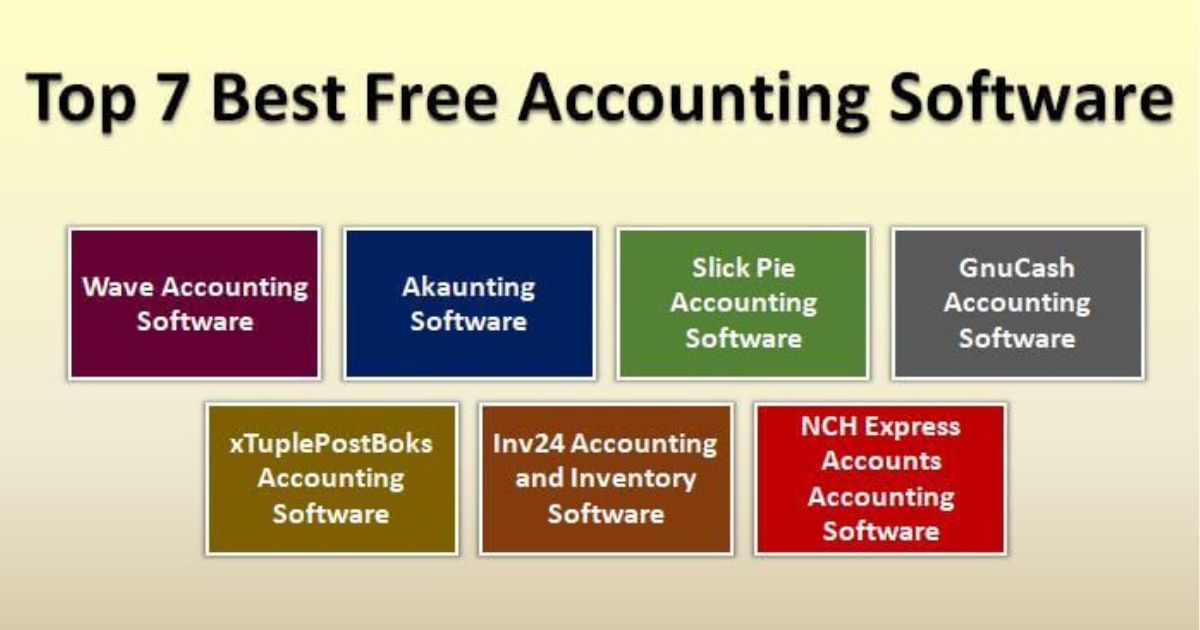
Choosing the right accounting software is one of the most important decisions for any small business or freelancer in 2026. With so many tools available, each promising automation, simplicity, and financial control, it’s easy to feel overwhelmed. The wrong choice can lead to wasted money, poor financial tracking, and frustration. The right choice, however, can streamline your entire business operation and give you clear insight into your financial health.
This guide will help you understand how to choose accounting software easily by breaking down everything you need to consider—from features and pricing to usability and scalability.
Why Choosing the Right Accounting Software Matters
Accounting software is more than just a tool for tracking income and expenses. It plays a central role in managing your business finances.
Improves Financial Accuracy
Manual bookkeeping often leads to errors. Accounting software reduces mistakes by automating calculations and organizing financial data in real time.
Saves Time and Effort
Instead of spending hours on spreadsheets, you can automate:
- Invoicing
- Expense tracking
- Bank reconciliation
- Financial reporting
Helps Business Growth
With clear financial insights, you can make smarter decisions about:
- Budgeting
- Hiring
- Pricing strategies
- Investments
Understand Your Business Needs First
Before choosing any software, you must understand what your business actually needs.
Business Size and Type
Different businesses require different levels of functionality.
- Freelancers need simple invoicing tools
- Small businesses need expense tracking and reporting
- Growing companies need payroll and integrations
Transaction Volume
If your business handles many transactions daily, you need software that can handle high data loads without slowing down.
Industry Requirements
Some industries require specific features:
- Retail businesses need inventory tracking
- Service businesses need time tracking
- E-commerce businesses need payment integrations
Identify Must-Have Features
Not all accounting software offers the same features. Focus on what matters most for your business.
Invoicing Tools
Look for software that allows you to:
- Create professional invoices
- Send automatic payment reminders
- Accept online payments
Expense Tracking
Good software should automatically categorize and track expenses.
Bank Reconciliation
Connecting your bank account helps you:
- Import transactions automatically
- Match records easily
- Reduce manual entry errors
Financial Reporting
Key reports you should be able to generate include:
- Profit and loss statements
- Balance sheets
- Cash flow reports
Tax Management
Software should help you calculate taxes and prepare reports for filing.
Choose Between Cloud-Based and Desktop Software
There are two main types of accounting software.
Cloud-Based Software
This is the most popular option in 2026.
Benefits include:
- Access from anywhere
- Automatic updates
- Real-time collaboration
Desktop Software
Installed on a computer and used offline.
Benefits include:
- Full control over data
- No internet dependency
However, it lacks flexibility compared to cloud solutions.
Evaluate Ease of Use
A complicated system can slow down your business instead of helping it.
User-Friendly Interface
Look for:
- Simple navigation
- Clean dashboards
- Easy-to-understand reports
Learning Curve
Choose software that you and your team can learn quickly without extensive training.
Consider Integration Capabilities
Modern businesses use multiple tools, so integration is essential.
Common Integrations
- Payment gateways
- CRM systems
- E-commerce platforms
- Payroll systems
Why It Matters
Integration reduces manual work and ensures smooth data flow between systems.
Compare Pricing Plans
Accounting software comes in different pricing tiers.
Free vs Paid Software
- Free tools are suitable for very small businesses
- Paid tools offer advanced features and scalability
What to Look For in Pricing
- Monthly vs annual plans
- Hidden fees
- Upgrade costs
Avoid Overpaying
Choose a plan that matches your current needs, not future assumptions.
Check Scalability
Your business will grow, and your software should grow with it.
Questions to Ask
- Can it handle more users?
- Can it support more transactions?
- Does it offer advanced features for growth?
Security and Data Protection
Financial data is highly sensitive.
Essential Security Features
- Data encryption
- Two-factor authentication
- Regular backups
Why It Matters
Poor security can lead to data loss or financial fraud.
Read Reviews and User Feedback
Real user experiences provide valuable insights.
What to Look For
- Ease of use
- Customer support quality
- Software reliability
Where to Find Reviews
- Software marketplaces
- Business forums
- Review websites
Take Advantage of Free Trials
Most accounting software offers free trials.
Why You Should Test First
- Evaluate usability
- Check feature relevance
- Test integrations
What to Focus On
- Speed
- Interface design
- Reporting accuracy
Customer Support Quality
Good support is essential when issues arise.
Types of Support
- Live chat
- Email support
- Phone support
- Knowledge base
Why It Matters
Fast support reduces downtime and frustration.
Mobile Accessibility
In 2026, mobile access is essential.
Features to Look For
- Mobile apps
- Real-time syncing
- Invoice creation on the go
Automation Features
Automation saves time and reduces errors.
Useful Automation Tools
- Recurring invoices
- Expense categorization
- Bank feeds
- Payment reminders
Avoid Common Mistakes
Many businesses choose the wrong software due to simple mistakes.
Common Errors
- Choosing based on price only
- Ignoring long-term needs
- Overlooking integrations
- Skipping trials
Focus on Long-Term Value
Don’t just think about today—think about the future.
What Long-Term Value Means
- Scalability
- Feature upgrades
- Continuous updates
Industry-Specific Needs
Some businesses need specialized tools.
Examples
- Construction companies need project tracking
- Retail stores need inventory management
- Freelancers need time tracking
Cloud Collaboration Benefits
Cloud systems allow multiple users to work together.
Advantages
- Real-time updates
- Easy accountant access
- Better collaboration
Multi-Currency Support
Important for global businesses.
Why It Matters
If you deal with international clients, multi-currency support helps:
- Track foreign transactions
- Manage exchange rates
- Avoid conversion errors
Reporting and Analytics
Strong reporting tools help you understand your business better.
Key Insights
- Revenue trends
- Expense breakdown
- Profit margins
Customization Options
Every business is different.
Custom Features
- Custom invoices
- Personalized dashboards
- Adjustable reports
Final Decision Checklist
Before choosing software, make sure:
- It fits your budget
- It meets your feature needs
- It is easy to use
- It supports growth
- It integrates with your tools
Final Thoughts
Choosing the right accounting software doesn’t have to be complicated. The key is to understand your business needs, compare options carefully, and test software before committing.
In 2026, accounting tools are more powerful and accessible than ever. Whether you are a freelancer, small business owner, or growing company, the right software can transform the way you manage your finances.
Instead of rushing the decision, take your time, evaluate your options, and choose a solution that supports both your current operations and future growth. The right accounting software is not just a tool—it is a long-term investment in your business success.