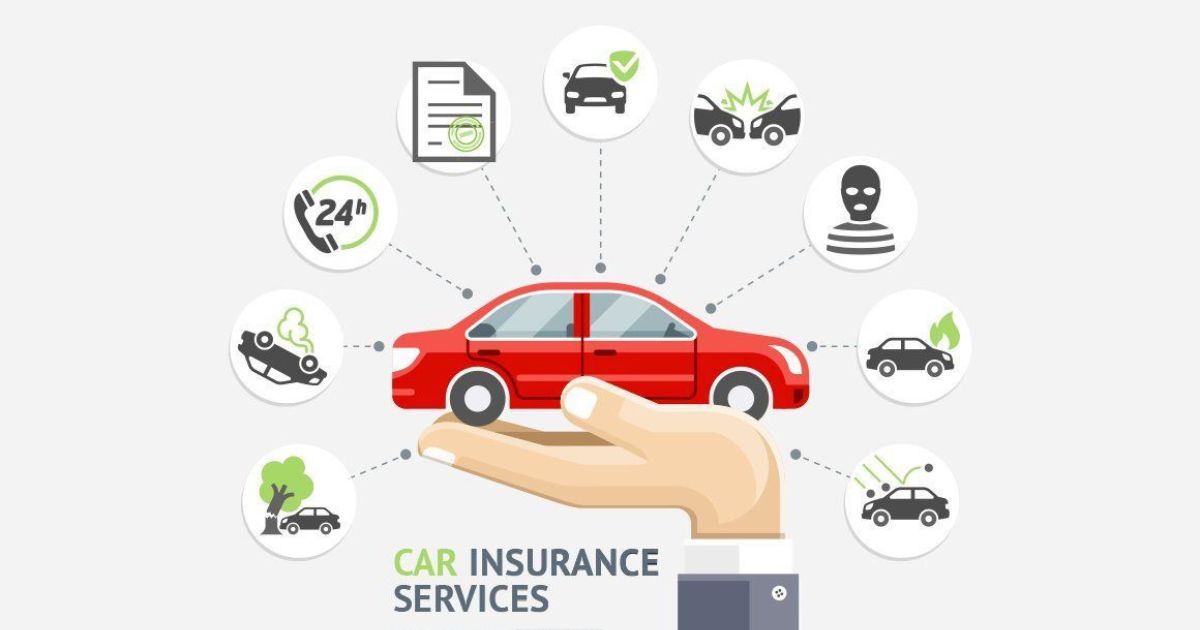
Car insurance is one of those unavoidable expenses that every driver must deal with. While it’s essential for financial protection, it doesn’t have to drain your budget. In 2026, many drivers are paying more than necessary simply because they are unaware of simple strategies that can significantly reduce their premiums.
The good news is that lowering your car insurance premium doesn’t require complicated changes. With a few smart adjustments and better awareness, you can start saving money immediately—without sacrificing the coverage you need.
This comprehensive guide will walk you through practical and easy ways to lower your car insurance premium starting today.
Understand What You’re Paying For
Before you can reduce your premium, you need to understand what goes into it.
What Makes Up Your Insurance Premium
Your premium is based on how risky you are to insure. Companies evaluate:
- Your driving history
- Your age and experience
- Your location
- The type of car you drive
- Your coverage choices
Why This Matters
When you understand these factors, you can identify which areas you can improve to lower your costs.
Increase Your Deductible
One of the fastest ways to reduce your premium is by increasing your deductible.
What Is a Deductible?
It’s the amount you pay out of pocket before your insurance covers the rest.
How It Lowers Your Premium
A higher deductible reduces the insurer’s risk, so they charge you less.
Example
Raising your deductible from $250 to $1,000 can significantly lower your monthly payment.
Important Tip
Make sure you can afford the higher deductible in case of an accident.
Compare Insurance Quotes Regularly
Many people stick with the same insurer for years without checking if better deals are available.
Why Comparing Matters
Different companies offer different rates for the same coverage.
How to Do It
- Use online comparison tools
- Contact multiple insurers
- Check independent agents
Best Time to Compare
- Before renewal
- After major life changes
- When your premium increases
This simple step can save you hundreds of dollars per year.
Take Advantage of Discounts
Insurance companies offer many discounts, but not all are automatically applied.
Common Discounts
- Safe driver discount
- Multi-policy discount
- Good student discount
- Low mileage discount
- Defensive driving course discount
Less Known Discounts
- Paperless billing
- Automatic payments
- Vehicle safety features
- Membership discounts
Pro Tip
Ask your insurer for a full list of discounts to ensure you’re not missing any.
Bundle Your Insurance Policies
Bundling your policies can lead to significant savings.
What Is Bundling?
Buying multiple types of insurance from the same provider.
Examples
- Car and home insurance
- Car and renters insurance
- Multiple vehicles
Benefits
- Lower premiums
- Simplified billing
- Loyalty rewards
Always compare bundled pricing with separate policies to ensure maximum savings.
Maintain a Clean Driving Record
Your driving behavior directly affects your premium.
Why It Matters
Safe drivers are considered low risk and pay less.
Common Mistakes to Avoid
- Speeding
- Distracted driving
- Running traffic signals
Tips for Safe Driving
- Stay focused on the road
- Follow traffic rules
- Keep a safe distance
Even one violation can increase your premium for years.
Use Telematics or Usage-Based Insurance
Modern insurance programs reward safe driving habits.
How It Works
A mobile app or device tracks:
- Speed
- Braking
- Driving time
- Mileage
Benefits
- Lower premiums for safe drivers
- Personalized pricing
- Discounts for low mileage
Who Should Use It
- Careful drivers
- People who don’t drive often
This is one of the easiest ways to reduce costs without reducing coverage.
Reduce Your Mileage
The more you drive, the higher your risk—and your premium.
Why Mileage Matters
More time on the road increases the chance of accidents.
How to Lower Mileage
- Work from home
- Use public transportation
- Carpool
Bonus Tip
Inform your insurer if your driving habits change—you may qualify for a discount.
Choose the Right Car
Your vehicle plays a big role in determining your insurance cost.
Cars That Cost Less to Insure
- Vehicles with high safety ratings
- Cars with affordable repair costs
- Models with low theft rates
Cars That Cost More
- Luxury vehicles
- Sports cars
- Cars with expensive parts
Smart Move
Check insurance rates before buying a car to avoid unexpected costs.
Improve Your Credit Score
In many regions, your credit score affects your insurance premium.
Why Credit Matters
Higher credit scores are associated with lower risk.
Ways to Improve Your Score
- Pay bills on time
- Reduce debt
- Monitor your credit report
- Avoid unnecessary credit applications
Improving your credit can lead to long-term savings.
Adjust Your Coverage Wisely
You don’t always need maximum coverage for every situation.
Review Your Coverage
- Do you still need full coverage?
- Is your car’s value declining?
- Are you paying for unnecessary add-ons?
When to Reduce Coverage
If your car is older, dropping collision or comprehensive coverage may save money.
Important Note
Never reduce coverage to the point where you are financially exposed.
Install Safety and Anti-Theft Devices
Adding safety features can lower your premium.
Examples
- Alarm systems
- GPS tracking
- Dash cameras
- Automatic braking systems
Why It Works
These features reduce the risk of accidents and theft.
Pay Your Premium Annually
The way you pay your premium can affect your total cost.
Monthly vs Annual Payments
- Monthly payments often include extra fees
- Annual payments may come with discounts
Smart Strategy
If possible, pay your premium in full to save money.
Avoid Filing Small Claims
Filing too many claims can increase your premium.
When to Skip a Claim
If the repair cost is close to your deductible, consider paying out of pocket.
Long-Term Benefit
Fewer claims keep your risk profile low and your premium stable.
Review Your Policy Every Year
Your insurance needs change over time.
What to Check
- Coverage levels
- Deductible
- Discounts
- Competitor rates
Why It Matters
Regular reviews help you find new ways to save.
Consider Pay-Per-Mile Insurance
If you don’t drive much, this option can save you money.
How It Works
You pay based on how much you drive.
Best For
- Remote workers
- Occasional drivers
- Low-mileage drivers
This ensures you only pay for what you use.
Avoid Coverage Gaps
Gaps in coverage can increase your premium.
Why It Happens
- Missed payments
- Late renewals
- Switching providers incorrectly
How to Prevent It
- Set reminders
- Use automatic payments
- Renew early
Consistency helps maintain lower rates.
Update Your Policy After Life Changes
Life changes can impact your insurance rates.
Examples
- Moving to a new location
- Changing jobs
- Getting married
- Buying a new car
What to Do
Notify your insurer to adjust your policy and potentially reduce costs.
Work With an Insurance Agent
An agent can help you find better deals and avoid mistakes.
Benefits
- Expert advice
- Access to multiple insurers
- Help with claims
Tip
Independent agents often provide more options.
Stay Loyal—but Stay Smart
Loyalty can bring discounts, but it’s not always the cheapest option.
Smart Strategy
- Compare rates regularly
- Ask for loyalty discounts
- Switch if needed
Being proactive helps you avoid overpaying.
Final Thoughts
Lowering your car insurance premium doesn’t have to be difficult or time-consuming. By making small, smart changes—like increasing your deductible, comparing quotes, and taking advantage of discounts—you can start saving money right away.
The key is to stay informed and proactive. Don’t settle for the first option or assume your current policy is the best deal. Review your coverage, understand your needs, and make adjustments when necessary.
In 2026, smart drivers know that saving money on car insurance isn’t about cutting corners—it’s about making better decisions. With the strategies in this guide, you can reduce your premium while keeping the protection you need for peace of mind on the road.