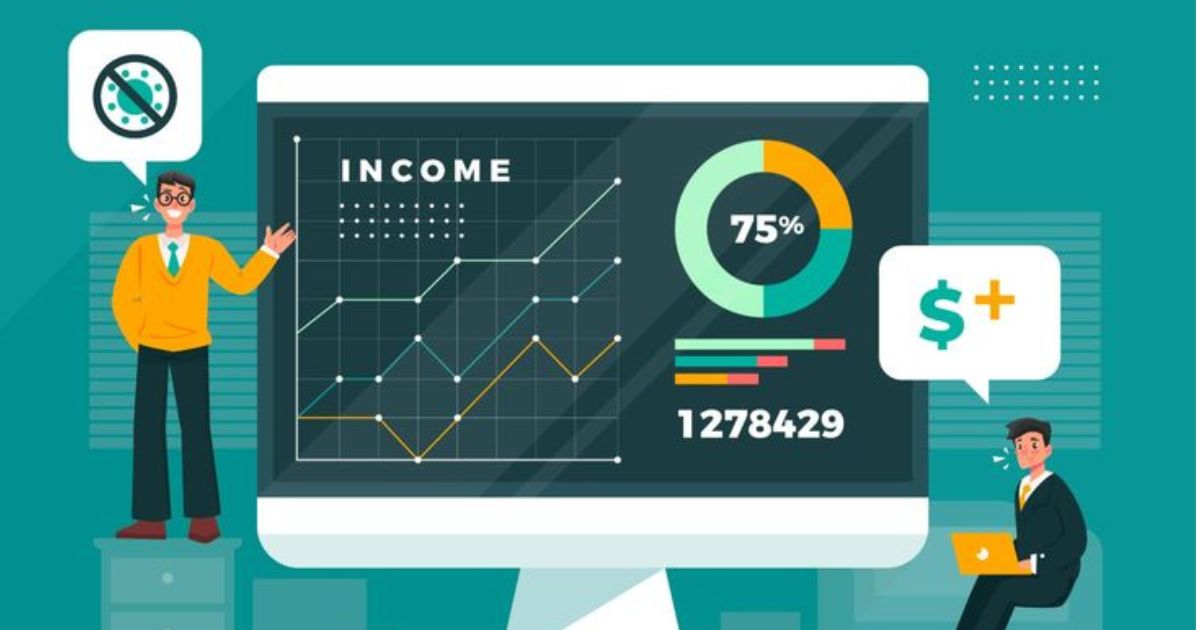
Starting a business in 2026 means dealing with digital tools from day one, and accounting software is one of the most important among them. Whether you run a small shop, freelance service, online store, or growing startup, understanding how to use accounting software is essential for managing money properly.
For beginners, accounting software may look complicated at first. There are dashboards, reports, invoices, expenses, and financial terms that might feel overwhelming. However, modern accounting tools are designed to simplify everything. Once you understand the basics, you will realize that managing business finances can actually be fast, organized, and stress-free.
This beginner guide will walk you step by step through how to use accounting software for your business, from setup to daily use, reporting, and long-term financial management.
Why Beginners Should Use Accounting Software
Accounting software is not just for accountants. It is built for business owners who want clarity and control over their finances.
Makes Financial Management Simple
Instead of using spreadsheets or notebooks, accounting software organizes everything automatically, including:
- Income
- Expenses
- Invoices
- Payments
Reduces Human Errors
Manual bookkeeping often leads to mistakes. Software helps reduce errors by automating calculations and categorizing transactions.
Saves Time
Tasks that used to take hours can now be done in minutes, such as:
- Generating invoices
- Tracking expenses
- Creating financial reports
Helps You Make Better Decisions
With real-time data, you can understand:
- How much money you are earning
- Where your money is going
- Whether your business is profitable
Getting Started with Accounting Software
Before using any accounting software, you need to set it up correctly.
Choose the Right Software
For beginners, look for software that is:
- Easy to use
- Cloud-based
- Affordable or free
- Beginner-friendly interface
Examples include tools like Wave, Zoho Books, FreshBooks, QuickBooks Online, and Xero.
Create Your Account
After selecting your software:
- Sign up using your email
- Enter basic business details
- Choose your business type
Set Up Your Business Profile
You will need to input:
- Business name
- Address
- Currency
- Tax information (if applicable)
This ensures your reports and invoices are accurate.
Understanding the Dashboard
The dashboard is the main control center of accounting software.
What You Will See
Most dashboards display:
- Total income
- Expenses
- Profit and loss summary
- Pending invoices
- Cash flow overview
Why It Is Important
It gives you a quick snapshot of your business performance without needing to check multiple reports.
Beginner Tip
Spend time exploring the dashboard before doing anything else. It helps you understand where everything is located.
Setting Up Bank Connections
Connecting your bank account is one of the most important steps.
Why It Matters
It allows the software to:
- Import transactions automatically
- Reduce manual data entry
- Keep records updated in real time
How It Works
Once connected, every transaction from your bank will appear in your accounting dashboard.
Safety Note
Most accounting software uses secure encryption to protect your financial data.
Creating and Sending Invoices
Invoices are essential for getting paid.
How to Create an Invoice
Most software allows you to:
- Add customer details
- List products or services
- Set prices
- Add taxes if needed
- Send via email directly
Why It Helps Beginners
It ensures you look professional and get paid faster.
Pro Tip
Use recurring invoices for regular clients to save time.
Tracking Expenses
Expense tracking is key to understanding business costs.
How to Record Expenses
You can:
- Manually enter expenses
- Upload receipts
- Sync bank transactions
Categories of Expenses
Common categories include:
- Rent
- Utilities
- Supplies
- Marketing
Why It Matters
Tracking expenses helps you understand profitability and prepare for taxes.
Understanding Financial Reports
Reports help you see the financial health of your business.
Profit and Loss Report
Shows:
- Total income
- Total expenses
- Net profit or loss
Cash Flow Report
Shows how money moves in and out of your business.
Balance Sheet
Shows:
- Assets
- Liabilities
- Equity
Beginner Tip
Review reports monthly to understand your business performance.
Managing Taxes
Accounting software simplifies tax preparation.
How It Helps
- Tracks taxable income
- Categorizes expenses
- Generates tax reports
Why It Is Useful
It reduces stress during tax season and ensures compliance.
Automating Repetitive Tasks
Automation is one of the biggest advantages of accounting software.
What Can Be Automated
- Invoice reminders
- Recurring billing
- Expense categorization
- Payment tracking
Benefits
- Saves time
- Reduces errors
- Improves efficiency
Managing Customers and Clients
Some accounting software includes customer management tools.
Features
- Store customer details
- Track payment history
- Send reminders
Why It Helps
It improves communication and helps maintain strong business relationships.
Using Mobile Apps
Most accounting software offers mobile apps.
What You Can Do
- Send invoices
- Track expenses
- Check reports
- Monitor cash flow
Benefits
You can manage your business finances anywhere.
Avoiding Common Beginner Mistakes
Many beginners make simple mistakes when using accounting software.
Mistake 1: Not Categorizing Expenses
Uncategorized expenses make reports inaccurate.
Mistake 2: Ignoring Reports
Reports provide valuable insights—don’t ignore them.
Mistake 3: Mixing Personal and Business Finances
Always separate personal and business transactions.
Mistake 4: Not Updating Regularly
Update your records frequently to avoid confusion.
Integrating Other Tools
Modern accounting software can connect with other business tools.
Common Integrations
- Payment gateways
- E-commerce platforms
- Payroll systems
- CRM tools
Why It Matters
Integration reduces manual work and improves accuracy.
Security and Data Protection
Financial data is sensitive and must be protected.
Security Features
- Encryption
- Two-factor authentication
- Cloud backups
Why It Matters
Protects your business from data loss and fraud.
Tips for Beginners to Get Better Results
Start Simple
Focus on basic features first before exploring advanced tools.
Stay Consistent
Update your financial data regularly.
Learn Reports Gradually
Understand one report at a time.
Use Tutorials
Most software provides guides and tutorials.
Scaling with Accounting Software
As your business grows, your software should grow with it.
Signs You Need More Features
- More transactions
- More employees
- Multiple income sources
Upgrade Options
Most platforms offer advanced plans for growing businesses.
Future of Accounting Software
Accounting tools are becoming smarter every year.
Artificial Intelligence
AI helps with:
- Predicting cash flow
- Automating data entry
- Detecting errors
Cloud Technology
Allows real-time access from anywhere.
Automation Expansion
More tasks will become fully automated in the future.
Final Thoughts
Using accounting software for the first time may feel overwhelming, but it quickly becomes one of the most valuable tools for any business. It simplifies financial management, saves time, and helps you make better decisions.
For beginners, the key is to start simple, stay consistent, and gradually explore more features as you become comfortable. Over time, accounting software will become an essential part of your daily business operations.
In 2026, successful business owners are not just those who work hard—they are those who work smart with the right tools. Accounting software is one of those tools that can transform confusion into clarity and help your business grow with confidence.